
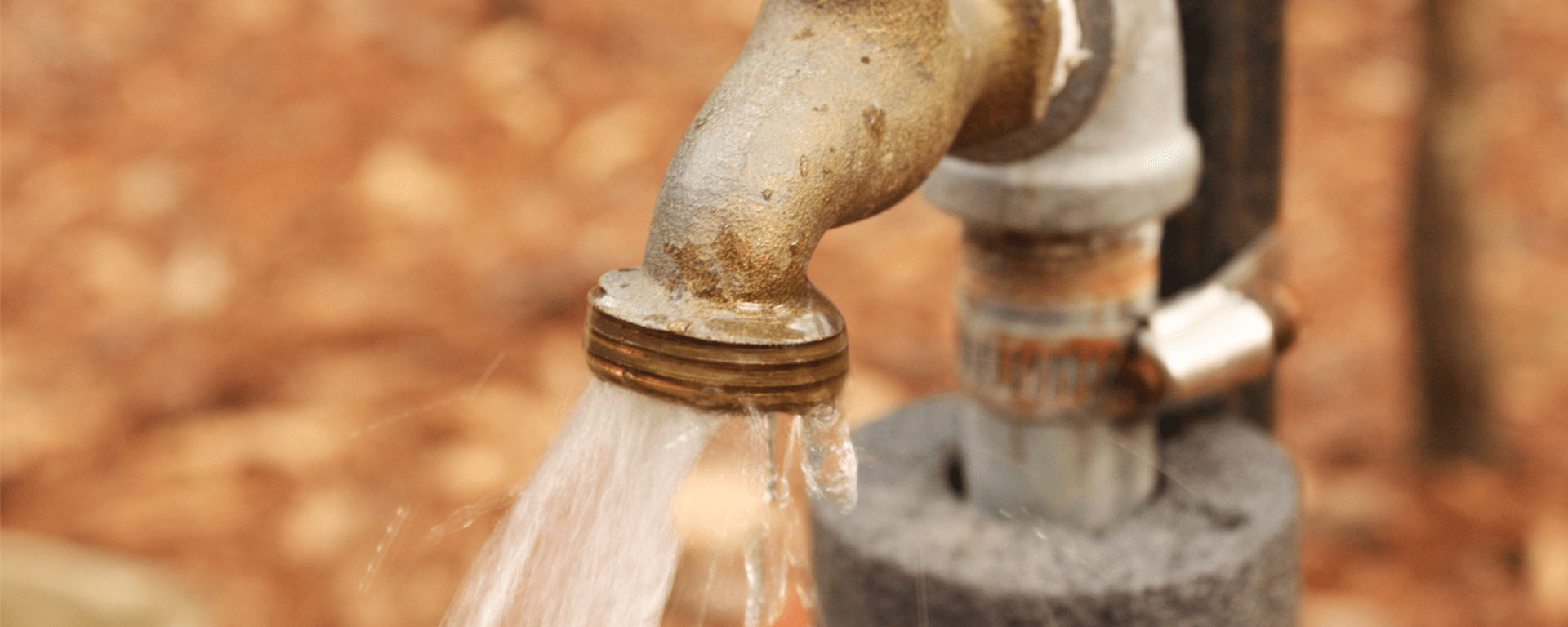
Despite plentiful resources, Alabama may need more water management
by Sydney Cromwell
How much water does it take to quench the thirst of Alabama’s homes, farms and industries? And is there enough to meet those needs without harming the state’s freshwater resources?
It’s harder to pin down the answers to those questions than you might expect.
Alabama is one of 15 states that don’t have a water management plan to track and regulate the use of their freshwater resources.
State officials say the water policies that Alabama does have are sufficient to handle droughts and other water shortage situations. Water quality organizations, on the other hand, have been pushing for a statewide water management plan for more than a decade, and they say the need is only becoming more apparent as climate change’s effects intensify.
HOW MUCH WATER DOES ALABAMA USE?
In places where water supply can’t keep up with demand, such as the Colorado River, fights over water use have been happening for more than a century. The situation in Alabama, on the other hand, looks a little different.
“Scarcity is not our main problem, it’s management,” said Cindy Lowry, executive director of the Alabama Rivers Alliance.
With 14 different river systems in the state, as long as rain continues to fall regularly, everyone’s water needs are generally met.
“Our analysis of water use and water availability does not indicate any areas of the state that have issues with water availability at the present time,” Josh Carples, the communications and public relations coordinator at the state’s Office of Water Resources, said via email.
According to the OWR’s 2015 data, Alabama withdrew 8.2 billion gallons of water per day, making up about 2.5% of the United States’ total 322 billion gallons per day.
Electricity generation makes up about 80% of water usage in Alabama, according to the OWR. Hydroelectric power only accounts for about 7% of the state’s energy generation, but water is also used to create steam, which turns power-generating turbines, and to cool systems in thermoelectric plants. Much of that water is eventually returned to a water source.
According to the U.S. Geological Survey, in 2015 the state’s thermoelectric plants used 6,626.78 million gallons (Mgal) of water per day.

Public water supplies (such as drinking-water utilities) in Alabama used 761.53 Mgal per day. Industry used 493.81 Mgal per day, while mining used 30.22 Mgal per day.
Agricultural uses (including irrigation, livestock and aquaculture) totaled 298.24 Mgal per day.
Note: While the USGS has released some 2020 water use data, several categories of data won’t be published until 2025. The published information has not yet been divided state-by-state. Instead, the 2020 data is organized by hydrologic regions, which conform to river systems rather than state boundaries. This means the 2020 data can’t be compared directly to 2015 data to track trends in water use. Alabama’s OWR has not published 2020 water use data. Southern Science intends to update this article with that data once it is available.
WHEN DOES THE STATE HAVE WATER SHORTAGES?
While Alabama generally has enough fresh water for all its various users, there are a number of ways that supply and demand can tip out of balance.
Droughts are one of the most visible signs of that imbalance. Alabama recently experienced significant droughts in 2000, 2007-2008 and 2011-2012, as well as “flash” droughts in 2016 and 2019, according to drought.gov.
“We get a ton of rain compared to other regions around the world, and the only time it becomes a problem is when it stops raining,” said Chris Manganiello, the Chattahoochee Riverkeeper’s water policy director.
Flash droughts often happen during summer, when high temperatures and lack of rainfall can combine to create sudden and intense drought conditions. Research has shown that flash droughts are likely to become more common as the planet continues its man-made warming, which is causing rainfall patterns to trend toward periods of intense storms and intense dryness.
Multiple Alabama cities set heat records this summer, while the nation as a whole has had some of its hottest summers on record for the past several years. So did most of the Northern Hemisphere.
“If you’re not really proactive in terms of your water planning, then increase, especially really rapid increase, in growth can catch up with you really fast.”
Greg Guthrie, Alabama Geological Survey Groundwater Assessment Program
Warm, dry weather doesn’t just increase human demand for water. It also increases the rate of moisture evaporation out of waterways and soil, reducing the available water both on the surface and in underground aquifers, which are “recharged” by water that travels down through the soil.
Greg Guthrie, the Groundwater Assessment Program manager at the Geological Survey of Alabama, said that the state’s underground aquifers are generally in “pretty good shape,” though there are a few areas where the water levels can get low under certain weather and use conditions.
“They’re constantly stressed by climate,” Guthrie said.
Warmer weather trends also mean that growing seasons are starting earlier and lasting longer. In 2023 the U.S. Department of Agriculture updated its plant hardiness zone map, which is based on seasonal temperatures. Alabama, like most of the nation, has warmer zones that have moved farther north compared to the 2012 map.
“That means there’s more water demand from the vegetation,” Guthrie said.
Population growth and movement is another factor in water availability. National water use in 2015 reached its lowest level in four decades, in part due to changes in water-intensive industries like power generation and agriculture. Manganiello said more efficient appliances and water conservation efforts have also helped keep residential water use stable, despite growing populations.
However, those changes can only offset so much growth, Manganiello said, and the decreases in water use aren’t uniform across the country. For example, water use for irrigation has increased nationwide, according to 2015 data from the USGS.
Even within Alabama, some parts of the state have increased their water demand while others have decreased.


If an area’s population or water-intensive industry grows significantly, daily demand will inevitably increase, perhaps beyond the available supply, Manganiello said.
“To keep up with that growth, you have to constantly keep looking for water,” Guthrie said.
The city of Fairhope has experienced water shortages for the last three summers, which the city has attributed to a combination of extreme heat, high demand and inadequate infrastructure. Guthrie said the city’s pumps simply couldn’t keep up with demand.

After declaring a water emergency in 2023, Fairhope decided to increase its water capacity (via new wells, water storage towers and larger water lines) and also signed a water-sharing agreement with its neighboring city, Daphne.
Still, the city had to put water restrictions in place again this August due to a well needing repairs.
“If you’re not really proactive in terms of your water planning, then increase, especially really rapid increase, in growth can catch up with you really fast,” Guthrie said.
Lowry said she’s starting to see “little pockets” of water shortage problems, whether caused by weather conditions or infrastructure failures, happening with more frequency.
A final factor to consider is that Alabama is a “downstream” state, meaning that all but four of its river systems (the Warrior, Cahaba, Perdido-Escambia and Choctawhatchee) originate in other states. So, the available water supply is dependent on drought and demand not only within Alabama, but also in its neighboring states.
HOW DOES ALABAMA TRACK ITS WATER RESOURCES?
The USGS estimates state and national water use based on modeling data from its own monitoring sites and from local and state sources. But the state of Alabama doesn’t have a comprehensive monitoring program for all types of water use, leaving questions about how accurate the data can be.
The Alabama Water Use Reporting Program started in 1993, and it’s managed by the OWR, which is part of the Department of Economic and Community Affairs. Under the reporting program, all public water utilities and users with a withdrawal capacity of 100,000 gallons or more per day are required to annually report their water withdrawals to the OWR.
Carples, the spokesperson for the OWR, said these annual reports are reviewed to make sure they are “consistent with previously submitted data” and match “approximate annual trends” for that particular user. However, the OWR doesn’t have a way to independently verify those reports or to track users below that 100,000-gallon threshold.
“OWR collects the vast majority of water-use information throughout the state, and our studies provide a broad understanding of how and where water is used and data trends over time,” Carples said via email.
Lowry with the Alabama Rivers Alliance described the program as “a little too loosey-goosey.”
“The Water Use Reporting Program is very voluntary. There’s virtually no tracking or ramifications or enforcement,” she said. “… There’s not a good way of knowing if they’re truly capturing all of the large water users in the state.”
“Alabama in particular has a long way to go in terms of regulating water withdrawals.”
Gil Rogers, Southern Environmental Law Center
Carples said the Water Use Reporting program is in the midst of upgrading its data management. That includes better location data and error-checking programs, as well as some additional data on water use, he said.
The OWR also publishes reports on water use and availability. The last was published in 2019 based on 2015 data, and Carples said another report with 2020 data is in progress. However, the OWR has not provided an expected publication date since Southern Science first inquired this past spring.
There is also a statewide drought management plan, which defines the state-level drought response and requires public water systems to develop their own series of steps for dealing with droughts of various levels of severity. Carples said that each water system’s managers are “the best-informed individuals to understand any impacts from drought conditions on their systems and how best to respond,” and he said they take that responsibility seriously.
One of the requirements, according to the state plan, is that each water system has “specific monitoring and measurements of available water supply, water demand and system conditions that will be used to determine the severity of water shortage conditions.”
These individualized drought plans are subject to OWR approval and must be reviewed at least every five years.
Since 2023, the OWR has been working on updates to its 2018 drought management plan, Carples said, including a new section on flash droughts.
Update: The OWR released its 2024 drought management plan on Nov. 18, 2024. You can read the complete management plan here.
Aside from OWR, other state agencies that play a role in managing water quality and regulation include the Department of Environmental Management, Department of Conservation and Natural Resources, Geological Survey, Department of Agriculture and Industries and the Soil & Water Conservation Committee.
The state Geological Survey primarily evaluates groundwater aquifers and wells that are drilled into them, though the department does some work with surface water too. Guthrie, the Groundwater Assessment Program director, said the program is focused on monitoring water levels and keeping records of water wells, but it isn’t involved with regulating groundwater use.
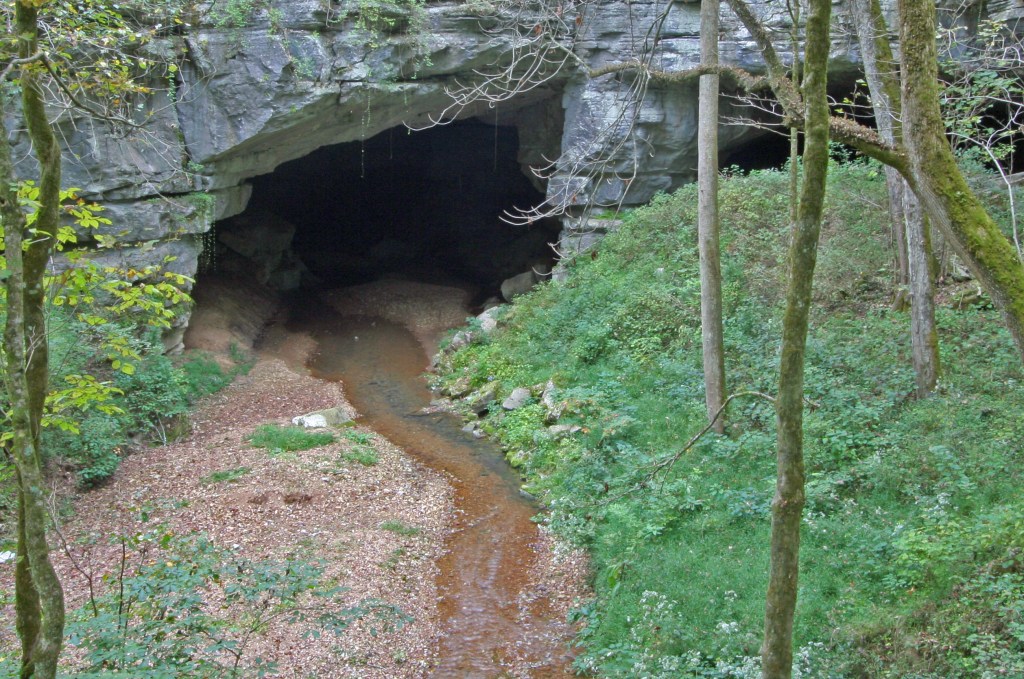
The Geological Survey is also in the process of surveying the state’s ground and surface waters, particularly any changes in the aquifers and how they might fare in the future. Guthrie said that report should be published by the end of the year, and it will support the OWR’s Water Use Program.
This survey used to be a yearly report, according to Guthrie, but that stopped in the mid-1990s due to a lack of funding and time. The most recent report was published in 2018.
These regular assessments are “a necessity,” Guthrie said, and he’s pleased that there is funding available again for the survey that’s underway.
“The state is providing good support right now. Assessment of water resources is a priority right now for the state,” he said.
WHAT IS A WATER MANAGEMENT PLAN?
Groups like the Alabama Rivers Alliance and the Southern Environmental Law Center believe that prioritizing the state’s water resources should include a more comprehensive set of regulations and policies. They have spent more than a decade advocating for a bigger budget for water assessment and planning.
According to alabamawaterplan.com, which is set up by the SELC and ARA, there are several pieces that should be included in a statewide water management plan:
- A stronger Water Use Reporting Program that can provide more accurate monitoring and management of water withdrawals.
- Assessment of the minimum flow levels that the state’s rivers and aquifers need for water quality and healthy ecosystems, so those levels can be protected when deciding how much water can be withdrawn.
- Management of manmade water transfers between river basins, to ensure that neither water system is harmed by the transfer.
- Statewide programs to incentivize water conservation and efficiency.
- Decision-making bodies to implement the water management plan for each of Alabama’s watershed regions.
“Continuing to gather data for assessments will improve the state’s ability to manage water during drought, ensure quality drinking water, provide reliable resources for crop irrigation and protect water conditions for future generations. Without having the complete picture when assessing our waters, we cannot determine our shortcomings or how to address them,” the website says.
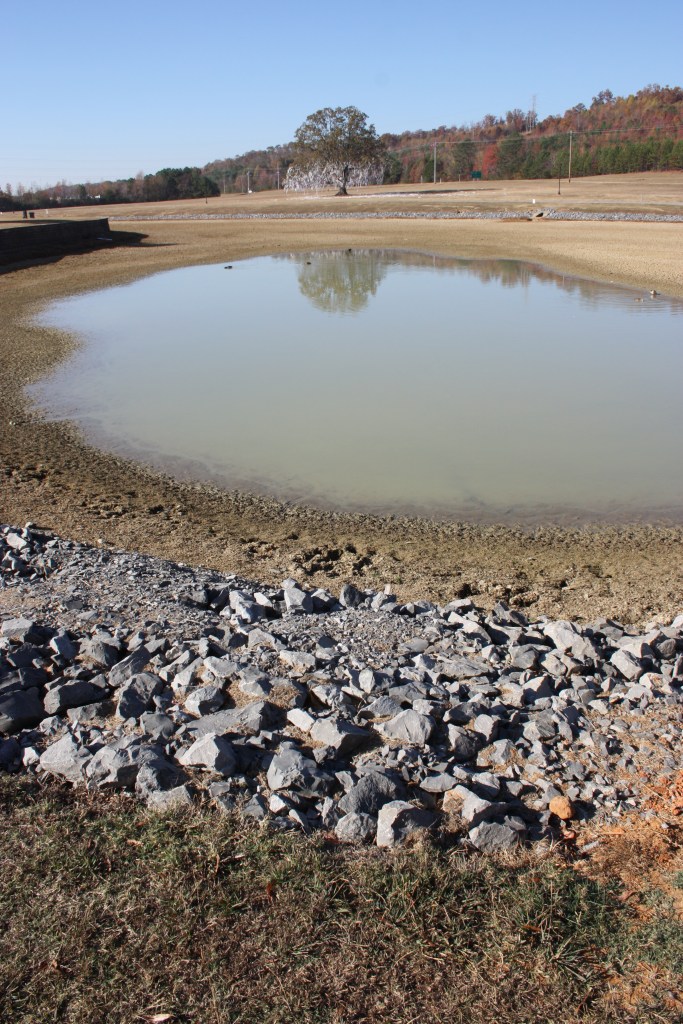
Gil Rogers, the Georgia office director for the SELC, said it’s critical that the management and decision-making guidelines in this plan be based on accurate and thorough data about the state’s water.
“It ought to be based in science, based on the available data on how much water we have to use and any kind of stresses on those systems,” Rogers said.
Georgia has had a statewide water plan since 2008. Florida started its water planning process in 2005 and now publishes an annual Florida Water Plan. Tennessee created its plan in 2018.
“Alabama in particular has a long way to go in terms of regulating water withdrawals,” Rogers said.
IS THERE POLITICAL INTEREST IN A STATEWIDE WATER PLAN?
At one point, creating a water management plan appeared to be a state priority. The Legislature formed the Permanent Joint Legislative Committee on Water Policy and Management and started allocating funds for water assessments in 2007, following one of the most severe droughts in state history.
In 2012, then-Gov. Robert Bentley created the Alabama Water Agencies Working Group (AWAWG) out of five state agencies, in order to make recommendations for a state plan. The group studied the state’s existing water data and policies, in addition to talking with members of the public, and delivered its report in December 2013.
The AWAWG report stated that there was need for “significant additional state funding for data collection, water assessments and development and implementation of statutory mandates” for water management. Other needs it outlined included:
- An education and outreach program to help citizens understand why water management is important.
- Policies based on sound science.
- Proactive drought planning that includes local involvement.
- Coordinated management of surface water and groundwater quality and quantity.
- Local-level decisions on water management, with state guidance.
- Protection of Alabama’s sovereignty in managing its water resources, even though other states and the federal government will make decisions that affect Alabama.
- Periodic review of the state’s policies.
The report also provided steps for the state to create a water management plan. However, it did note that the process “will be technically and politically difficult and must be transparent with broad collaborative participation by water users, stakeholders, and agencies for a successful outcome.” The report said that many stakeholders had economic concerns over how new water policies would affect them.
When Bentley resigned in 2017, however, all momentum stalled. While water organizations didn’t get the complete plan they wanted, Lowry said those efforts did lead to some of the groundwater and surface water assessments and reports that state agencies still perform.
Neither the state Legislature nor Gov. Kay Ivey has moved to revive the efforts for a water management plan.
Southern Science reached out to Ivey’s office for comment, but they declined and instead deferred to the Office of Water Resources.
Current members of the Water Policy and Management Joint Legislative Committee also did not respond to Southern Science’s request for comment.
“There’s probably not enough money to get all the data we need, but there’s probably also not the political will.”
Cindy Lowry, Alabama Rivers Alliance
In the 2024 legislative session, there were no bills filed or enacted that related to water quality or public water systems. During the 2023 session, a bill that would require an environmental assessment on each “community water system” died in committee. A bill to levy an environmental fee on community water system customers, for the state’s Environmental Management Fund, was rejected.
In the last couple years, Lowry said the ARA has revived its efforts to get a water management plan back on the Legislature’s radar. With last December’s announcement of a proposed agreement between Alabama and Georgia over use of the Chattahoochee River, Lowry said there may be an opening to expand beyond that one water system.
“I’d love to see that dialogue move further than just the Chattahoochee, and how are we going to manage all these systems that we share with other states?” she said.
DOES ALABAMA NEED A WATER MANAGEMENT PLAN?
According to Lowry, implementing better water monitoring and regulation will “allow us to sustain the uses that we have, but also keep the environment healthy, keep these systems healthy.”
A comprehensive plan would also give Alabama a better grasp on whether its waterways have the capacity to handle new industry, population growth, climate change and other stressors — and what to do when the water supply comes up short.
The 2013 AWAWG report stated that “incomplete statewide water resources policies and Alabama’s location as a downstream state on most of its major rivers may have significant bearing on Alabama’s future economic plans and activities.”
If you look at the history of Alabama’s water policy and fights over water use, Guthrie said, interest always seems to surge after a drought.
“To me, that’s a retroactive approach. To me, if you’re proactive, not only does it help you to forestall any problems that may come out of those stressors, but it’s cheaper,” he said.
In at least one case, the lack of a comprehensive plan has already hurt the state. During the three-decade “water wars” over the use of the Chattahoochee River, Alabama had less available water data and regulatory policy than Florida or Georgia, which hurt its ability to advocate for its needs.
“I do think whenever there is litigation and there are courts looking at how states manage their water, …. Alabama is going to fall short,” Rogers said.
Manganiello, at the Chattahoochee Riverkeeper, agreed that Georgia’s water plan has benefited it during legal challenges over the Chattahoochee’s use. He also noted that Georgia’s regional water council that oversees the river has difficulty planning for Alabama’s use.
“They never have a clear picture of Alabama’s needs,” Manganiello said. “… They’re planning it blind.”
However, in late 2020, according to the SELC, Gov. Ivey sent a letter to the state’s Water Resources Commission stating that there was not enough evidence of urgent water-supply problems to prioritize a statewide management plan.
After more than a decade of unsuccessful attempts to revive legislative interest in a statewide management plan, Lowry said the Alabama Rivers Alliance is looking at “piecemeal” policies that can improve Alabama’s water regulation, rather than focusing on the “whole shebang.”
“There’s probably not enough money to get all the data we need, but there’s probably also not the political will,” she said.
The drought management plan and the assessments that the OWR and Geological Survey produce are a good start, Lowry said, but she believes the assessment reports need to be more detailed and written for the general public. The reports are “super dense,” she said, making it hard for legislators or citizens to understand and act on them.
Better monitoring of water withdrawals is an ARA priority, as is determining the minimum flows that each river needs to stay healthy, Lowry said. She also wants the state to fund more studies, particularly of areas that have heavy water use or critical habitats.
Getting people talking about water management is an important first step, she said.
“I don’t think it’s, like, out-of-this-world thinking. We just have to get a statewide conversation going,” Lowry said.
Main article image courtesy of Alabama Cooperative Extension System.
 Southern Science

One thought on “Drop by drop”