
First step in agreement with U.S. Justice Department
by Sydney Cromwell
The sewage issues that have long plagued Alabama’s Black Belt counties are the focus of a recent agreement between the state Department of Public Health (ADPH) and the federal Department of Justice.
In May, ADPH and the Justice Department came to a consent agreement on steps the state would take to begin resolving sewage conditions in many homes in the Black Belt, particularly among the region’s poorer residents.
In Alabama’s Black Belt counties, an estimated 50% of homes have raw sewage on the ground due to inadequate or failing treatment systems, according to Kevin White, professor and chair of University of South Alabama’s Department of Civil, Coastal, & Environmental Engineering.
The soil conditions in the region do not allow traditional septic tanks to work as designed, since the clay keeps water from dispersing. The tanks and their maintenance are also expensive.
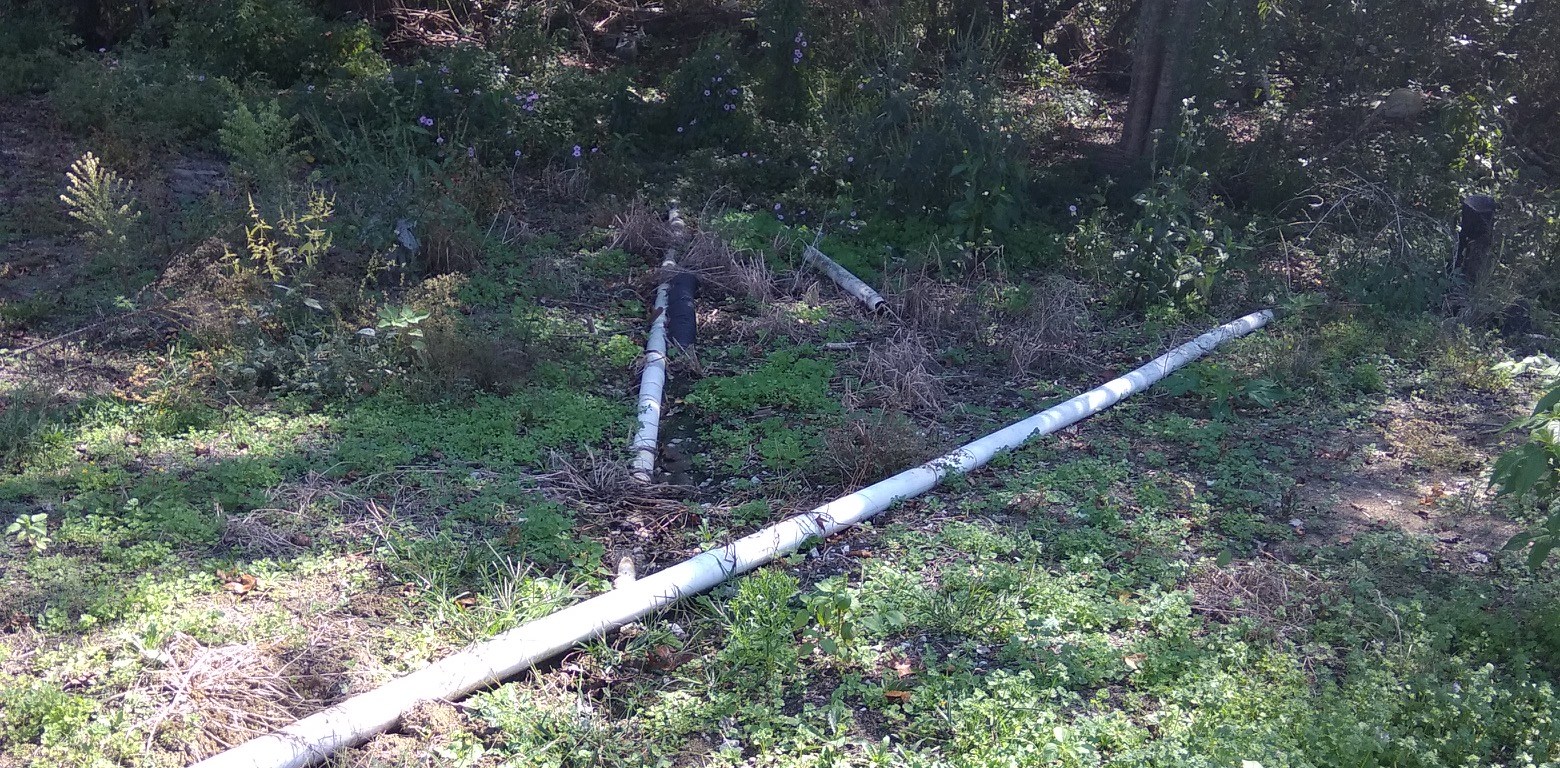
Many homes only have a “straight pipe,” which carries sewage out of the house and simply deposits it on the ground.
The exposure to raw sewage and resulting health issues, such as hepatitis A, roundworm and hookworm, have been called “very uncommon in the First World” by a United Nations special rapporteur.
The Justice Department has said that ADPH had a “consistent pattern of inaction and/or neglect concerning the health risks associated with raw sewage” in the area.
While some researchers have been working on experimental systems to handle sewage at individual homes and neighborhoods — which has come with its own delays and problems — the consent agreement is intended for a much broader scale.
ADPH agreed to begin the process of providing acceptable sewage conditions to residents of Lowndes County, through a door-to-door survey of current conditions and the creation of an action plan. The department also agreed to stop its policy of issuing fines or jail time for residents without sufficient sewage systems, which had not been strongly enforced, and it will do additional testing on the possible health risks of these sewage systems and create a public awareness campaign.
Ron Dawsey, the director of the bureau of environmental services for ADPH, said informational pamphlets have already been created and are available on the state website. They will also be printed out and provided to the county health departments in the area, he said.
The door-to-door survey will be done by a contractor with experience in survey work, not health department staff, Dawsey said. The Justice Department and Centers for Disease Control have been consulting on the wording of survey questions, and Justice Department approval is needed before it can begin.
According to the consent agreement, ADPH had six months, beginning in May, to complete the survey and then another six months to develop a plan to fix the infrastructure problems identified in that survey.
Since the state doesn’t currently know how many homes have straight pipes or other inadequate sewage systems, Dawsey said it’s hard to predict the plan’s particulars or the necessary budget at this point.
The state will have access to federal grant money for the project, including $2.2 million it has already been given through the American Rescue Plan Act for installations and replacements for low-income homes.
If ADPH doesn’t complete the survey and create the plan within that time frame, the Justice Department can resume its civil rights investigation into the sewage conditions, which started with a complaint in 2018. However, the consent agreement doesn’t include any hard figures of how many homes’ sewage conditions the ADPH must fix in order to meet the terms.
Although the consent agreement is specific to conditions in Lowndes County, Dawsey said it is “ground zero for what we’re doing now” and the plan developed for Lowndes could be applied to neighboring counties in the future.Lowndes County residents with straight pipes or other inadequate sewage systems can visit the ADPH website or call (334) 206-5373 for more information about getting a new or repaired sewage system.


One thought on “State to begin door-to-door survey on Lowndes sewage issues”