
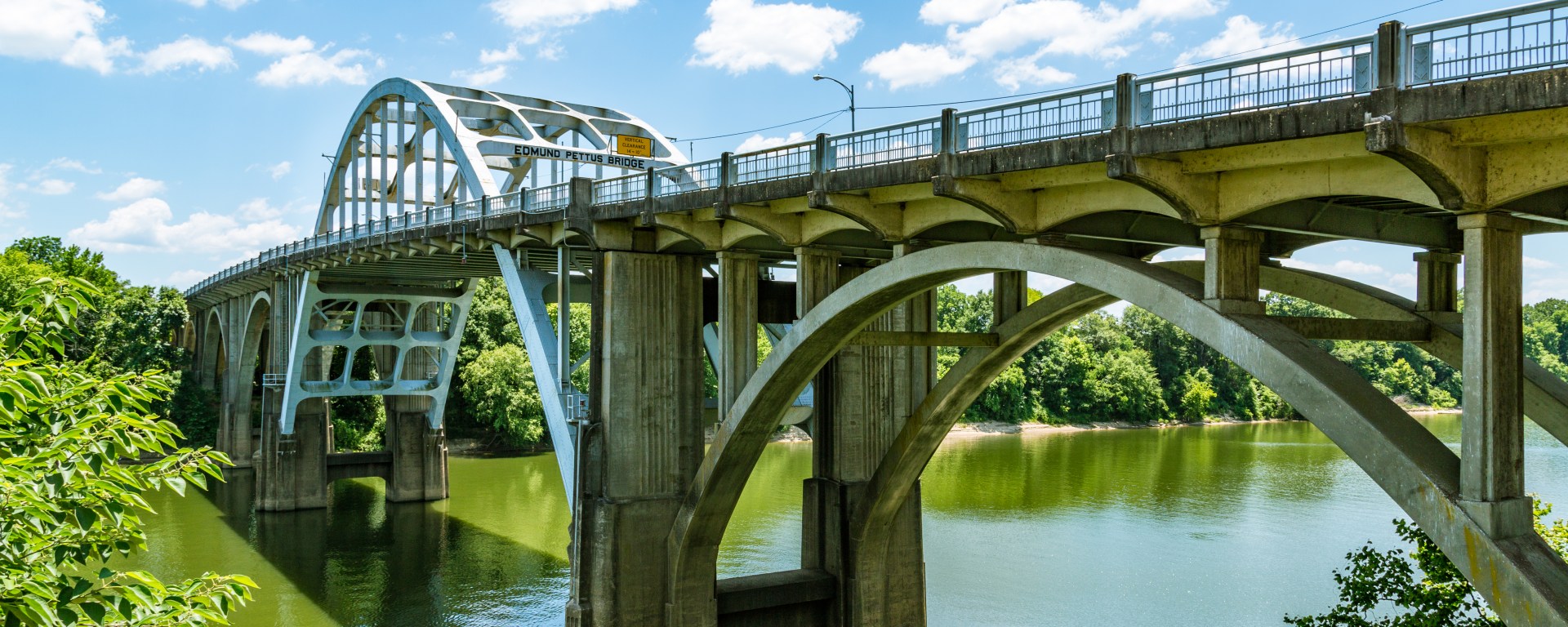
Black Belt Heritage Area to bring together nature, culture, history
by Sydney Cromwell
It wasn’t quite Christmas Day, but last December, Tina Naremore Jones got a surprise gift almost 20 years in the making.
The final session of the U.S. Congress for the year was almost finished, and Jones, the executive director of the Center for the Study of the Black Belt, had already turned her attention to the next session. Previous attempts to create a National Heritage Area in the Black Belt since 2013 had all died in the Legislature, and with so few days left, it seemed like this one would, too.
“We were gearing up for starting the whole process over again, as far as getting legislation introduced,” Jones said.
Then, the call came.
Jones said she was “pretty much speechless” when the National Parks Conservation Association told her that the bill to create the Black Belt National Heritage Area had passed both the House and the Senate and was headed to the president’s desk.
“I was standing in my garage, and he said, ‘I’ve never heard you that quiet before,’” she said.
“… It was a little unbelievable at that time because we’d been working on it for so long.”
Since the heritage area’s designation became a reality, Jones and the many organizations involved in the project have moved on from bill-writing to the actual work of creating the heritage area — another multi-year effort all on its own.
COMMUNITY STORYTELLING
“National Heritage Area” is a designation given to places that combine richness both in natural resources and in cultural or historic significance. The first National Heritage Area was created in 1984, and today more than 60 have been designated.
While these areas are considered part of the National Parks Service (NPS) system, most National Heritage Areas are areas that still have active communities living in them. The program is intended to be community-driven, with access to federal funding and support through the NPS (in some cases up to $1 million annually) to grow tourism, jobs, education, historic preservation and conservation within each heritage area.
Jones said heritage areas allow the people there to “tell their own story.”
“It creates a place that they are proud to be in and proud to be from,” she said.
The Black Belt National Heritage Area is the second designated in Alabama. The first is Muscle Shoals, which was designated in 2009 and spans six counties along the Tennessee River.
The Muscle Shoals heritage area focuses on Native American history through Indian mound museums and sections of the Trail of Tears National Historic Trail, as well as music history through the Alabama Music Hall of Fame, the Red Bay Museum and the home of W.C. Handy. The homes of Helen Keller and Joe Wheeler are also within the National Heritage Area.
The University of North Alabama is a critical part of the development and management of the Muscle Shoals heritage area, and the University of West Alabama (UWA) will play a similar role for the Black Belt heritage area through its Center for the Study of the Black Belt.
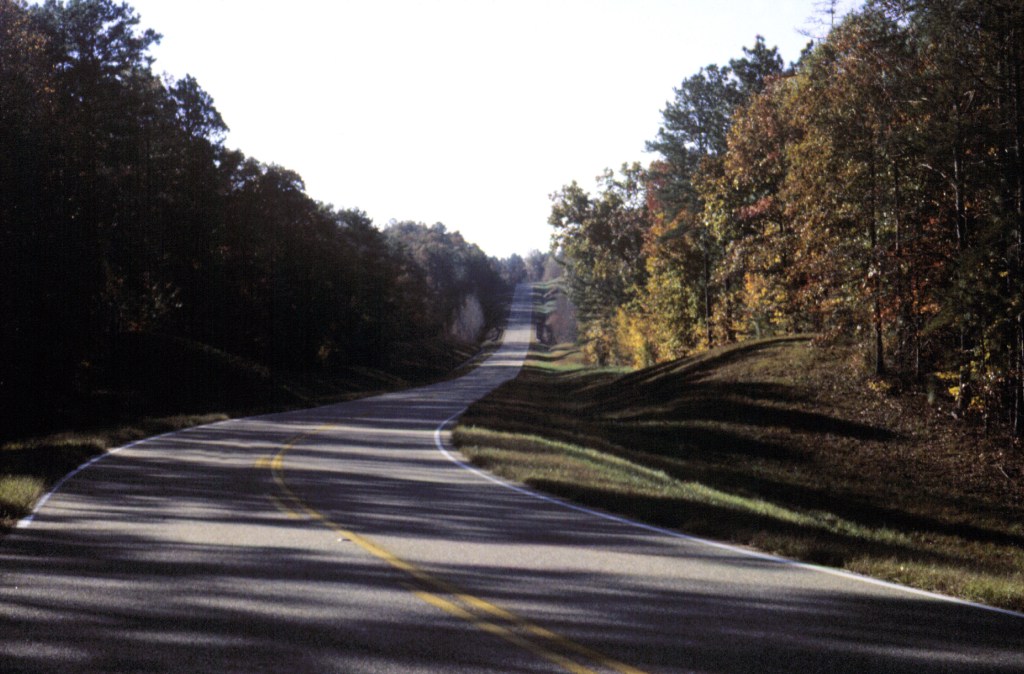
Destiny Williams, the Alabama River Diversity Network’s partnership coordinator, said the study and appreciation of history, culture and nature are often “isolated” from one another, but in reality they are always linked.
The where and when of a historic event are often critical to why and how it happened.
“There is so much synergy between our natural, historical and cultural diversity,” Williams said.
DEEP COMMITMENT AND CONNECTIONS
The Black Belt National Heritage Area encompasses 19 counties: Bibb, Bullock, Butler, Choctaw, Clarke, Conecuh, Dallas, Greene, Hale, Lowndes, Macon, Marengo, Monroe, Montgomery, Perry, Pickens, Sumter, Washington and Wilcox. A committee was first formed in 2004 to study whether the Black Belt should be made a heritage area, making it a nearly 20-year process from idea to creation.
“You just don’t know how hard these partners have been working,” said Williams, who became part of the heritage area efforts in 2021. “… I was just in awe of the level of commitment, the dedication.”
Jones said the Black Belt deserves to be a heritage area because it is a microcosm of the country. Its history spans from early native civilizations and the arrival of conquistador Hernando de Soto, through slavery and the Civil War, and on through the World Wars and the birth of the civil rights movement to today.
“You can literally walk into the footsteps of the various stages of our country, across basically from before we became a country to now, and to me that’s incredible,” she said. “It’s a place to authentically experience the American story.”
Jones said she wants visitors to have multiple ways to connect with the history and culture of the region while visiting the heritage area.
According to the Alabama Black Belt Heritage Area website, the Black Belt has 304 sites listed on the National Register of Historic Places, and the Dexter Avenue King Memorial Baptist Church is on the tentative list of UNESCO World Heritage Sites for its role in the civil rights movement.
“You can literally walk into the footsteps of the various stages of our country, across basically from before we became a country to now, and to me that’s incredible.”
Tina Naremore Jones, Center for the Study of the Black Belt
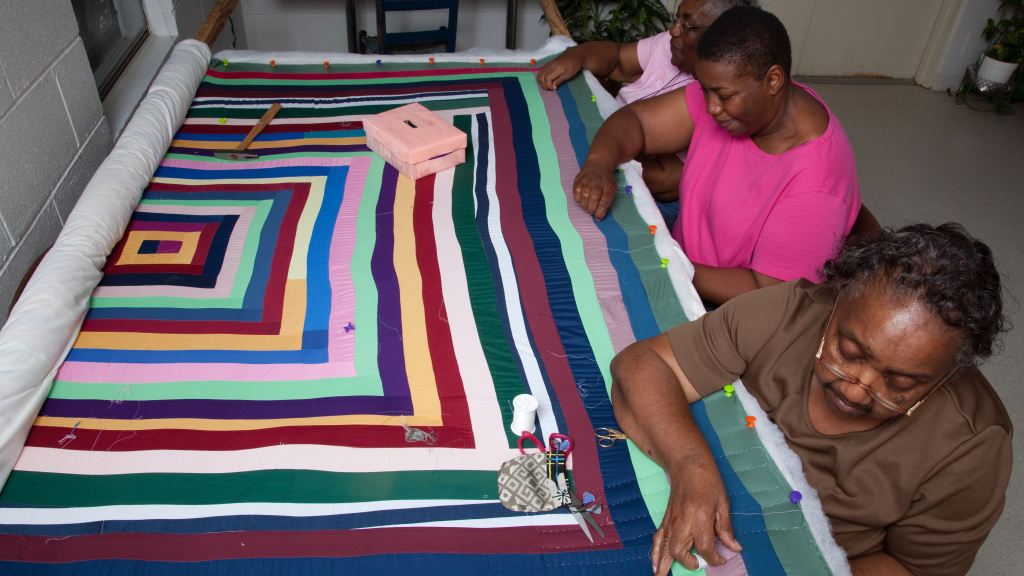
Those 19 counties are home to antebellum plantation houses — built on the rich farming soil that gave the Black Belt its name — as well as historic churches, cemeteries and landmarks like the Tuskegee Institute, Moundville and the Voting Rights historic trail. The arts and culture of the region ranges from the Gee’s Bend quilters to the Hank Williams Museum.
While the people of the Black Belt, both past and present, are at the heart of the new National Heritage Area, it also has a wealth of natural resources, Jones said.
“In reality if you trace their story back, it connects to the land,” she said. “… The undercurrent of our story is man and the land, and the relationship with that land.”
The farmable soil and navigable rivers were both foundational parts of the early Black Belt economy, Jones said.
But those resources were often used in ways that took the profit away and left the land and its people behind, Williams said. She said the heritage area can keep the benefits of those resources in the communities that they come from.
“We see it as a channel, an avenue to reconnect people to this landscape, to do something that has needed to be done for a very long time, which is to reverse the culture of extraction in Alabama,” she said.
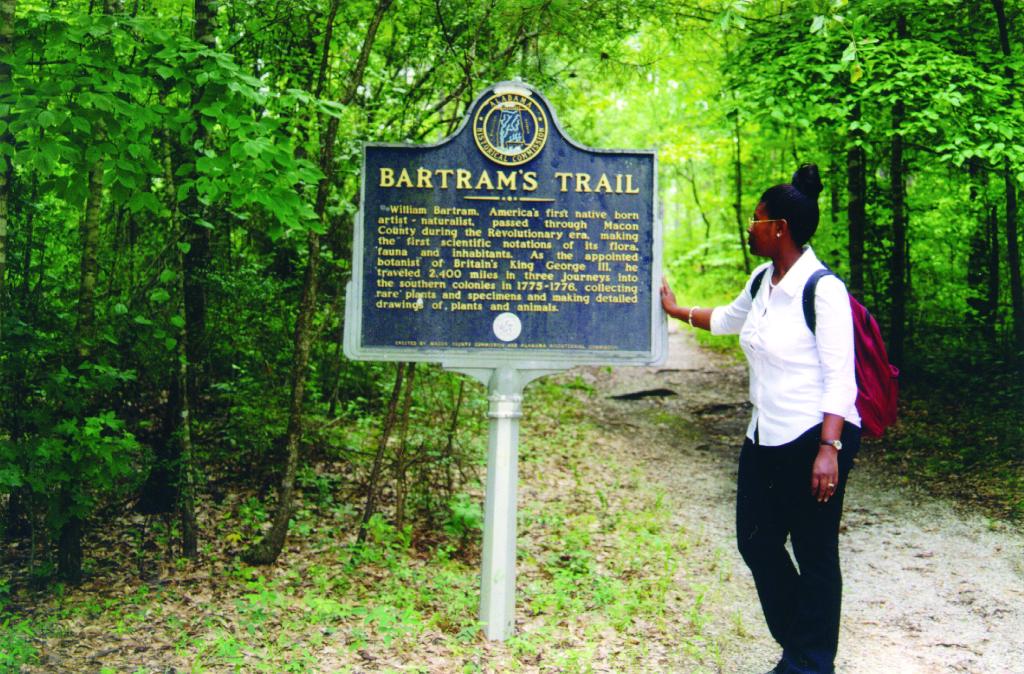
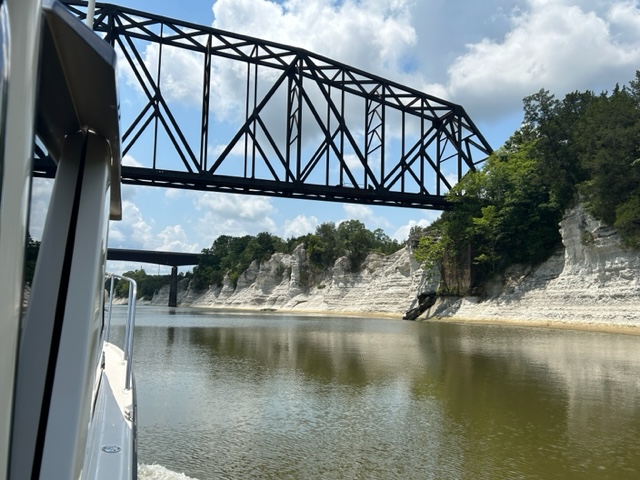
Within the borders of the heritage area are two National Forests, two National Wildlife Refuges, four state parks, five rivers, four birding trails and several scenic hiking, canoeing and driving routes.
“In Alabama, there’s such an abundance of nature and green spaces that you just cannot miss it,” Williams said.
The Black Belt is also friendly to hunters and fishers with its long deer season, public hunting and fishing areas and the Alabama Quail Trail.
Biodiversity in the Black Belt, as in much of the rest of Alabama, has long been on the decline, but recent conservation efforts in the area include:
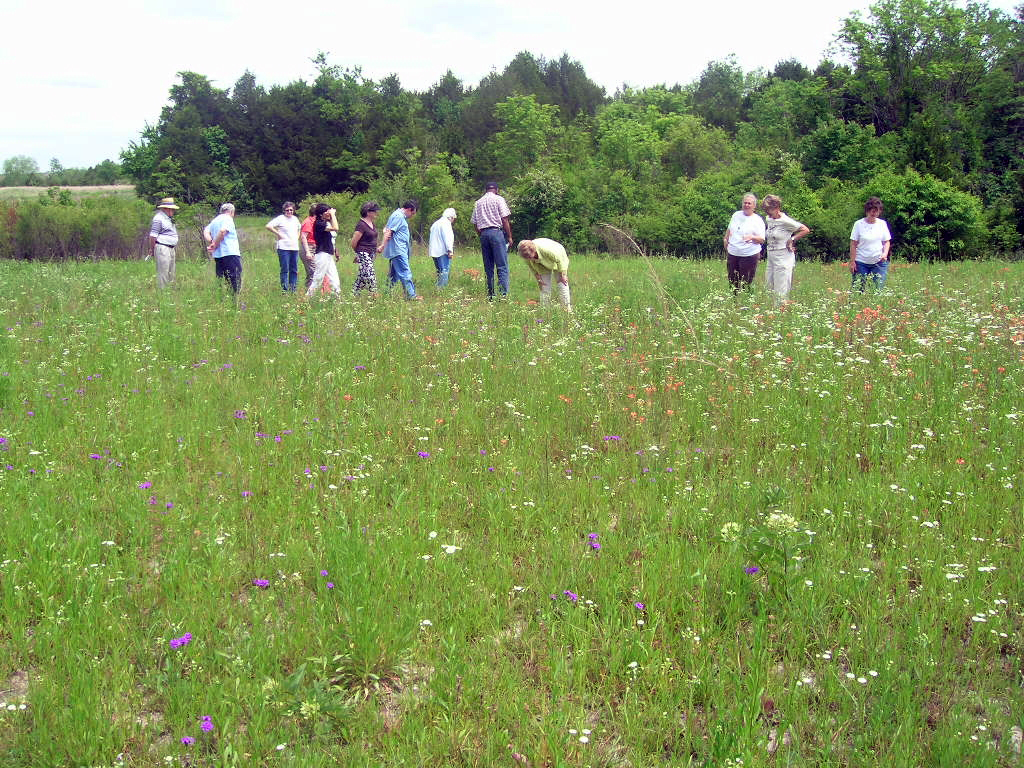
- Grassland restoration and management through the Black Belt Prairie Restoration Initiative
- Longleaf pine restoration in Tuskegee National Forest
- Endangered mollusk and fish conservation at the Alabama Aquatic Biodiversity Center
- An effort by the U.S. Army Corps of Engineers to build fish migration passages around two dams on the Alabama River
- White-tailed deer repopulation at Oakmulgee Wildlife Management Area
AT THE TABLE
Developing the Black Belt National Heritage Area requires answering some seemingly simple questions: Where is the Black Belt? And who should play a role in defining its heritage?
As part of their previous attempts to create the heritage area, Jones said the Center for the Study of the Black Belt has literally knocked on people’s doors and asked them if they considered themselves residents of a Black Belt county. It’s a region that has had different boundaries and definitions over time, depending on the criteria of the person drawing the map.
Williams said the role of the Alabama River Diversity Network (ARDN), and the work that she was brought on for, is connecting the many people who have a stake in the future of the Alabama River and the Black Belt.
ARDN, which is sponsored by the Ocean Foundation, started hosting regular meetings in 2019 to create “a table for federal entities, local entities, government entities, grassroots organizations, everyone to come together and discuss issues in our region,” Williams said.
Some of its core partners included UWA and the NPS, but also the Alabama Rivers Alliance, the Cahaba River Society, Conservation Alabama and the Elmore Bolling Initiative. By the end of 2020, there were around 25 partner groups involved.
“Our community members just believed in this project so much that they started operating as if it already existed.”
Destiny Williams, Alabama River Diversity Network
Although the partners range in size from a federal department to local grassroots projects, Williams said the ARDN meetings put everyone on an “equal plane.”
But she isn’t done building a bigger table. Williams said ARDN is trying to expand its network of partners and make sure that every part of the Black Belt — from indigenous communities to Black farmers to low-income rural families — have a voice in developing the heritage area.
At the Juneteenth celebration in Montgomery, she said, she met people from at least 10 more organizations that want to get involved.
“We have to continue to ask the question, ‘Who’s missing?’” Williams said. “… If you knew who was not at the table, you would have invited them.”
Williams said it is “monumental” to get these groups together and build trust between them, since many of them would never have had an opportunity to talk otherwise. However, that collaboration also means the process has to go slower, she said.
“So, we’re at a snail’s pace, just trying to be impactful and address these challenges that are time-sensitive,” Williams said.
SOLID FOUNDATION
The Center for the Study of the Black Belt now has three years to create a management plan for the new National Heritage Area and get it approved by the NPS, Jones said.
A lot of work has already been done in the many years since the Black Belt heritage area was first proposed. Jones said they are revisiting previous inventories of sites to include in the heritage area, reorganizing their task force and making connections with old and new organizations that want to contribute.
“The foundation was already so solid,” Williams said. “… Our community members just believed in this project so much that they started operating as if it already existed.”
Jones said part of the management plan’s creation will include work sessions across the Black Belt counties so residents and nonprofits can ask questions and give feedback. The heritage area will only be as good as the community input they get, Jones said, and there are likely projects and opportunities that she hasn’t even heard about yet.
“We know that the heritage area has the ability to tell those stories more fully,” Jones said.
Past efforts to promote tourism will also be folded into the heritage area. For example, an audio tour that was started around six years ago now has several hundred sites where standing signs offer visitors audio information about communities or historic spots, Jones said. They want to make sure all 19 Black Belt counties have at least one site in the audio tour and that it creates a connected trail across the region.
“We have let that process happen organically,” she said. “… It encourages people to stop and stay for a little bit longer.”
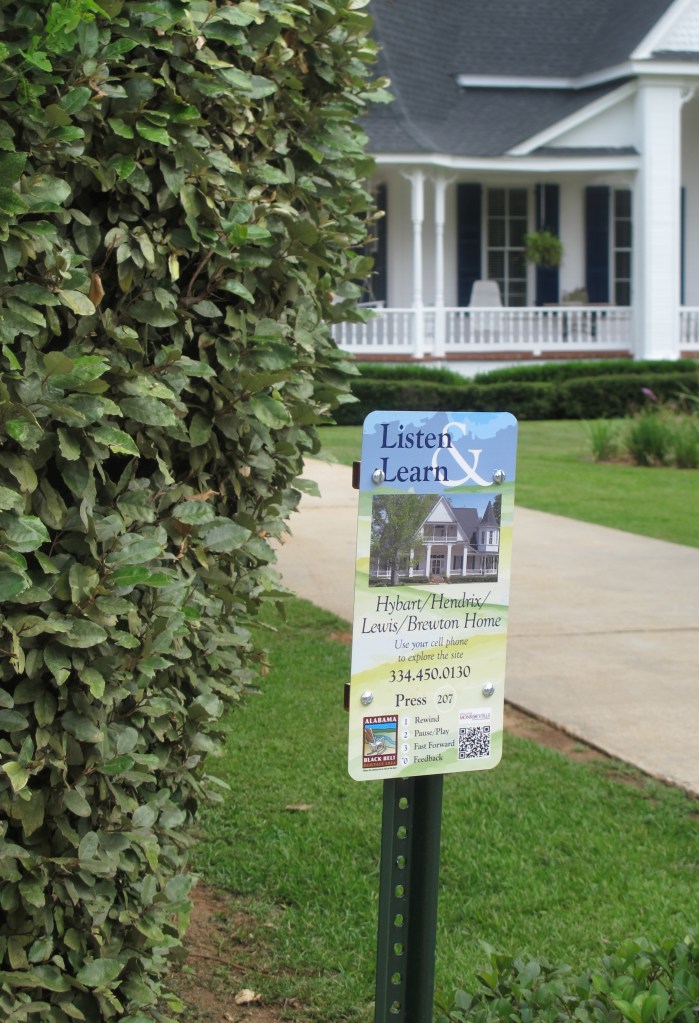
There used to be workshops for community organizations to learn about and work on grant writing, social media outreach or other skills that could help them grow individually, and Jones said she would like to get those re-established.
Along with developing the partner network, Williams said ARDN wants to focus in the next five years on creating a conservation plan for the Alabama River that factors in the history and culture of the area, not just science.
Learning more about the water quality of the river and increasing public recreational access are two important factors in that conservation plan.
“We don’t really know what’s in the river. It hasn’t been surveyed in a really long time, … and that’s primarily because of access to the river,” she said.
Williams said ARDN also wants to highlight the “role of education in the river region,” particularly for women and minorities.
Jones said the heritage area could be “transformative” for the Black Belt’s economy and cultural future.
THE LUXURY OF CONSERVATION
Conservation and environmentalism are often the domain of “people with time on their hands,” Williams said — those who have the energy and resources to devote to concerns outside of their own families’ immediate needs.
That isn’t the case for many residents of the Black Belt, where nearly a quarter of families are living in poverty and sewage conditions have been compared to Third World countries.
“The problems are so big, the challenges are so many, that we do feel our inadequacies,” Williams said.
She said sometimes nonprofits complain about the people who “don’t care” about environmentalism. “And my immediate response is, ‘Why should they?’”
“Impoverished and marginalized communities, they don’t have that kind of time, and generally they did not create the problem. They are largely victims of that environmental injustice,” Williams said.
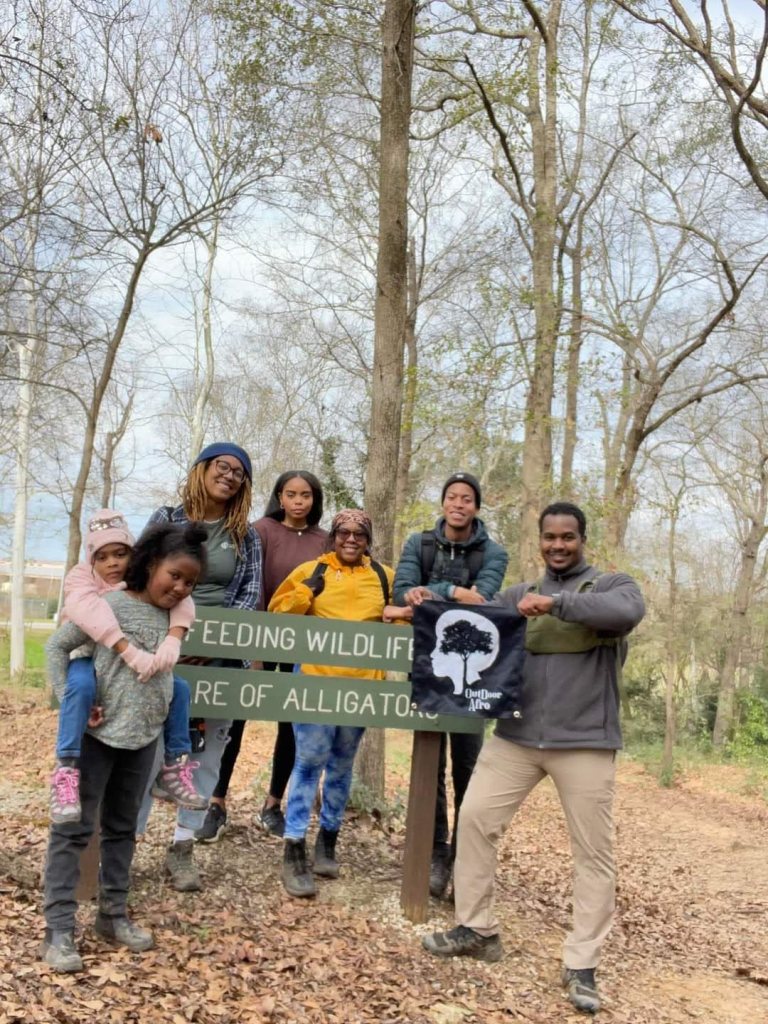
Dark chapters in the story of the Black Belt include Native groups being driven out of their land, slaves being forced to work that land and modern-day communities having their air, water and soil poisoned by industrial polluters.
“You can’t just jump straight to: ‘They aren’t interested, they don’t care,’” Williams said. “… There are a lot of ancestral experiences where nature has been weaponized against Black people, has been weaponized against indigenous and people of color.”
Losing Alabama’s biodiversity is an important problem, and an urgent one, she said, but it’s hard to get a person to worry about an endangered turtle species when they don’t even have reliably clean water.
By entwining nature with the cultural and economic focus of the National Heritage Area, Williams said it could help restore a connection between the people of the Black Belt and the land.
“In a large way, outdoor recreation has become more of a luxury than it should be because of the lack of accessibility, because of our inability to really address our history,” she said. “… Making sure that people are connected with nature is the best thing we can do.”
Main article image of the Edmund Pettus Bridge crossing the Alabama River, courtesy of Tony Webster, Wikimedia Commons
 Southern Science
One thought on “‘Transformative’”